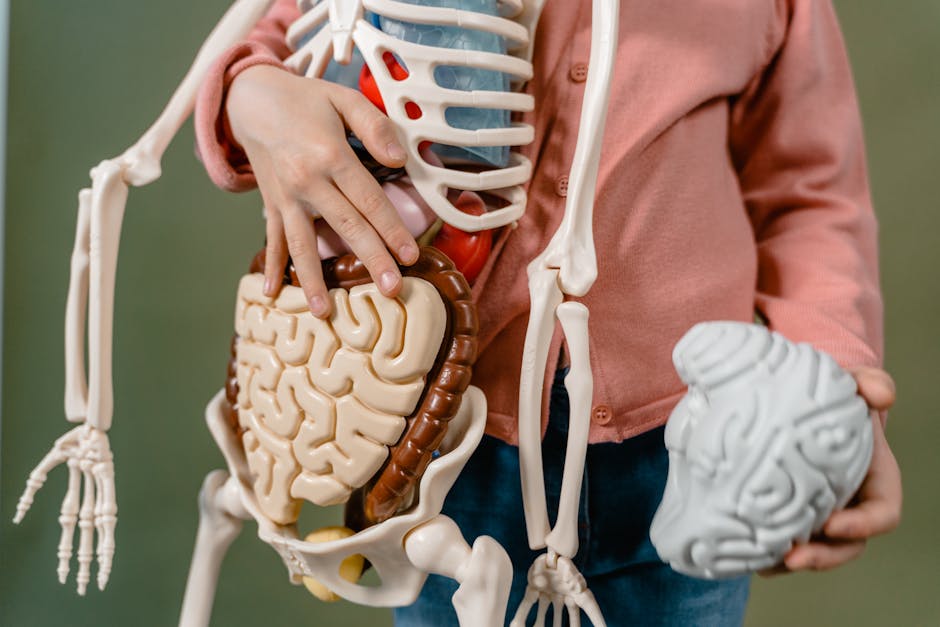
What is the gut‑brain axis?
The gut‑brain axis is a two‑way communication network linking the central nervous system (the brain and spinal cord) with the gastrointestinal (GI) tract. The term does not refer to a single pathway; instead, it encompasses several parallel channels that send and receive signals continuously.
Key components of the axis are:
- Neural pathways – primarily the vagus nerve, which runs from the brainstem to the abdomen.
- Endocrine signals – hormones released by gut cells that travel through the bloodstream.
- Immune mediators – cytokines and other immune molecules that can affect brain function.
- Microbial metabolites – short‑chain fatty acids, neurotransmitter‑like compounds, and other chemicals produced by the trillions of bacteria living in the intestines.
Each channel can influence mood, cognition, appetite, pain perception, and even the development of neurological disease. The axis works both ways: the brain can modulate gut motility and secretion, while the gut can send signals that change brain chemistry.
How do signals travel between gut and brain?
Understanding the routes helps separate solid science from popular myth.
Vagal and spinal afferents
The vagus nerve carries roughly 80 % afferent (sensory) fibers from the gut to the brainstem. It detects stretch, chemical composition, and inflammation in the intestinal wall. Signals travel to the nucleus tractus solitarius, then to higher brain regions such as the hypothalamus and limbic system, which regulate stress and emotion.
Spinal afferents, part of the sympathetic and parasympathetic systems, also convey pain and distension signals. These pathways are the physiological basis for why a “butterflies‑in‑the‑stomach” feeling occurs during anxiety.
Hormones and peptides
Enteroendocrine cells, scattered throughout the gut lining, release hormones in response to nutrients:
- Glucagon‑like peptide‑1 (GLP‑1) – enhances insulin release and signals satiety to the brain.
- Peptide YY (PYY) – reduces appetite after meals.
- Cholecystokinin (CCK) – slows gastric emptying and stimulates the vagus nerve.
These hormones travel through the bloodstream and cross the blood‑brain barrier in limited amounts, informing the brain about energy intake and gut status.
Immune and inflammatory pathways
The gut houses the largest portion of the body’s immune cells. When the intestinal barrier is compromised—often called “leaky gut”—immune mediators such as interleukin‑6 (IL‑6) and tumor necrosis factor‑α (TNF‑α) can enter circulation. Elevated peripheral cytokines have been linked to changes in mood and cognition, probably because they affect microglial activation in the brain.
Microbial metabolites
Gut bacteria ferment fiber into short‑chain fatty acids (SCFAs) like acetate, propionate, and butyrate. SCFAs serve several functions:
- They provide energy for colon cells.
- They influence the integrity of the blood‑brain barrier.
- They interact with receptors on vagal afferents, modulating signaling.
Other microbes produce neurotransmitter‑like compounds—gamma‑aminobutyric acid (GABA), serotonin, dopamine, and tryptophan metabolites. While most of these do not cross the blood‑brain barrier directly, they can act locally on gut neurons or affect immune cells, indirectly shaping brain chemistry.
What evidence supports a functional gut‑brain connection?
Research on the axis falls into three categories: human observational studies, controlled clinical trials, and animal experiments. Each provides a piece of the overall picture.
Observational data in people
Several large cohort studies have found correlations between gut microbial composition and mental health outcomes. For example, reduced diversity of Firmicutes and increased relative abundance of certain Proteobacteria have been reported in individuals with depression. However, correlation does not prove causation; lifestyle, diet, medication, and genetics all confound the relationship.
Intervention trials
Randomised controlled trials (RCTs) using probiotics, pre‑biotics, or dietary modifications give stronger evidence. A modest number of RCTs have shown that certain probiotic strains (e.g., Lactobacillus rhamnosus JB‑1) reduce self‑reported anxiety scores compared with placebo. Pre‑biotic fibers that boost SCFA production have been associated with improved mood in some studies, but results are inconsistent.
Importantly, effect sizes are usually small to moderate, and benefits tend to appear only in participants with baseline dysbiosis or elevated stress. The data do not support a universal “miracle pill” that will instantly fix mood by altering the gut.
Animal models that enable mechanistic work
Germ‑free mice—raised without any microbiota—exhibit altered stress responses, reduced social behaviour, and changes in brain neurotransmitter levels. Introducing specific bacterial strains can partially restore normal behaviour, demonstrating a causative link in a controlled setting.
These models also allow researchers to trace signals: for instance, knocking out the vagus nerve in mice eliminates the behavioural effects of certain probiotic strains, confirming that the nerve is a necessary conduit.
Common misconceptions and where the hype starts
Popular media often portrays the gut‑brain axis as a one‑directional “gut controls your emotions” narrative. While the gut can influence brain function, the relationship is bidirectional and context‑dependent.
- “All gut bacteria are good for brain health” – In reality, some microbial metabolites are neuroprotective, while others can be neurotoxic if produced in excess. Balance, not blanket increase, matters.
- “Taking a single probiotic will cure depression” – Clinical evidence shows modest benefits for specific strains in selected populations, not a universal cure.
- “If you have gut problems, you must have a brain disorder” – Gut symptoms often co‑occur with stress or anxiety, but causality runs both ways. Treating one side does not guarantee improvement on the other.
- “Serotonin in the gut equals serotonin in the brain” – About 90 % of the body’s serotonin is produced by enterochromaffin cells in the gut, but this peripheral serotonin does not cross the blood‑brain barrier. It influences gut motility and local immune cells instead.
Practical ways to support a healthy gut‑brain axis
Because the axis is sensitive to lifestyle, several evidence‑based habits can promote balanced communication.
Dietary patterns
- Eat diverse fiber sources – Whole grains, legumes, fruits, and vegetables provide fermentable substrates for SCFA‑producing bacteria.
- Limit excessive ultra‑processed foods – High in emulsifiers and artificial sweeteners, these can disrupt the mucosal barrier and alter microbial composition.
- Include fermented foods – Yogurt, kefir, sauerkraut, and kimchi introduce live microbes and can modestly increase diversity.
Stress management
Chronic stress activates the hypothalamic‑pituitary‑adrenal (HPA) axis, releasing cortisol that can increase intestinal permeability and alter microbiota. Regular practices such as mindfulness, moderate aerobic exercise, and adequate sleep help keep the HPA axis in check.
Targeted supplementation
If a specific gut issue is identified—such as low SCFA production—supplementing with a pre‑biotic fiber (e.g., inulin) can be helpful. Probiotic supplementation should be strain‑specific and preferably based on a clinician’s recommendation, because not all strains survive gastric passage or colonise the gut.
Avoid unnecessary antibiotics
Broad‑spectrum antibiotics can cause a rapid loss of microbial diversity, sometimes leading to lasting changes in mood and cognition. Use antibiotics only when medically indicated, and consider a probiotic or fermented food regimen during and after a course.
When to seek professional help
The gut‑brain axis is a field where self‑diagnosis can be tempting but risky. Consider professional evaluation if you notice any of the following patterns persisting for more than a few weeks:
- Significant changes in bowel habits (persistent diarrhea, constipation, or pain) accompanied by mood swings.
- New or worsening anxiety or depressive symptoms that do not respond to usual coping strategies.
- Unexplained weight loss or gain linked to appetite changes.
- Neurological symptoms such as brain fog, memory lapses, or frequent headaches that coincide with GI disturbances.
A gastroenterologist can assess for conditions like irritable bowel syndrome (IBS) or small intestinal bacterial overgrowth (SIBO). A psychiatrist or psychologist can evaluate mental‑health aspects. In many cases, a collaborative approach yields the best outcomes.
Future directions: where the science is heading
Researchers are developing more precise tools to map gut‑brain communication. Metabolomics can identify which microbial compounds actually reach the circulation, while advanced neuroimaging tracks brain activity in response to gut stimuli. Longitudinal cohort studies aim to untangle whether changes in the microbiome precede mood disorders or simply mirror them.
At the same time, the field is learning that personalized approaches are essential. Genetic background, diet, medication, and early-life exposures all shape an individual’s gut ecosystem. A one‑size‑fits‑all probiotic or diet plan is unlikely to work across diverse populations.
Key take‑aways
- The gut‑brain axis consists of neural, hormonal, immune, and microbial pathways that constantly exchange information.
- Evidence shows real, measurable effects of gut signals on brain function, but the magnitude of influence varies among individuals.
- Common hype—overstated claims about probiotics curing mental illness—does not reflect the current state of research.
- Balanced diet, stress reduction, prudent antibiotic use, and targeted supplementation form a practical foundation for a healthy axis.
- Persistent gut or mental health symptoms merit professional assessment; interdisciplinary care often yields the best results.
