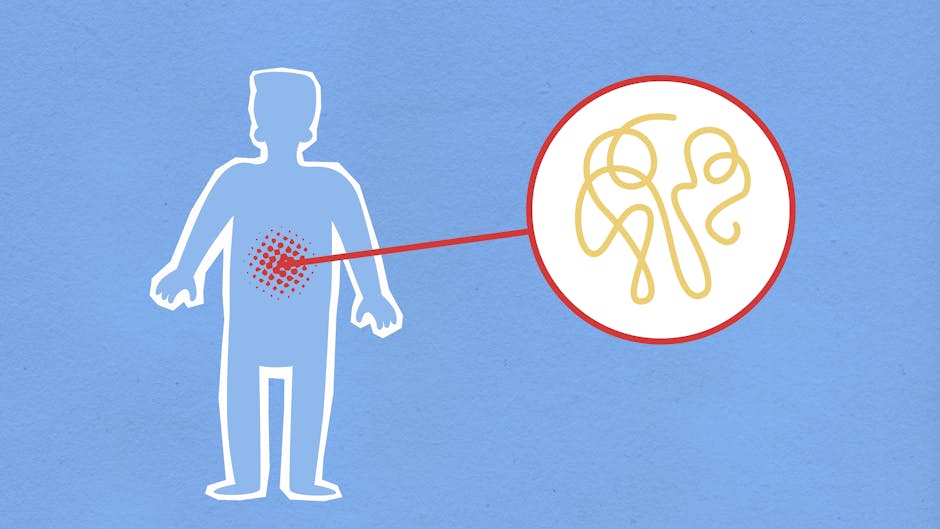
What is the gut microbiome?
The gut microbiome is the collection of trillions of microorganisms that live in the gastrointestinal tract. Bacteria, archaea, fungi, and viruses all make up this community. In a healthy adult, the bacterial component alone includes several hundred species, dominated by members of the Firmicutes and Bacteroidetes phyla. These microbes are not passive passengers; they metabolise food, synthesize vitamins, train the immune system, and communicate with distant organs through a network of chemical signals.
How does the microbiome influence inflammation?
Inflammation is the body’s coordinated response to injury or infection. It involves immune cells, cytokines, and vascular changes that aim to contain damage and begin repair. The gut microbiome can tip the balance between a controlled, protective response and chronic, damaging inflammation in three main ways:
- Metabolic signaling: Microbes produce short‑chain fatty acids (SCFAs) such as acetate, propionate, and butyrate when they ferment dietary fiber. SCFAs bind to receptors on immune cells and intestinal epithelial cells, promoting anti‑inflammatory pathways and strengthening the gut barrier.
- Pattern‑recognition receptors: Bacterial components (lipopolysaccharide, flagellin, peptidoglycan) are continuously sampled by intestinal immune cells via Toll‑like receptors (TLRs) and NOD‑like receptors (NLRs). A balanced microbiome delivers low‑level signals that keep the immune system “educated” without triggering full activation.
- Barrier integrity: Some microbes stimulate production of tight‑junction proteins that seal the epithelial layer. When the barrier is compromised, bacterial products leak into the bloodstream, a condition called metabolic endotoxemia, which can sustain systemic inflammation.
Why is chronic inflammation a problem?
When inflammation persists beyond its useful window, it damages tissues and disrupts normal physiology. Chronic low‑grade inflammation—often measured by elevated C‑reactive protein (CRP) or cytokines such as IL‑6 and TNF‑α—is linked to a wide range of disorders, including:
- Metabolic diseases (type 2 diabetes, obesity, non‑alcoholic fatty liver disease)
- Cardiovascular disease (atherosclerosis, hypertension)
- Neurological conditions (Alzheimer’s disease, depression)
- Autoimmune disorders (rheumatoid arthritis, inflammatory bowel disease)
- Cancer development (colorectal, liver, and pancreatic cancers)
Understanding what drives this inflammation is therefore central to preventing or treating these conditions.
What evidence ties the microbiome to inflammatory disease?
Research over the past two decades provides converging lines of evidence that an altered gut microbiome—often called dysbiosis—can initiate or worsen inflammation.
Human cohort studies
Large population studies have found that people with higher levels of inflammatory markers often have reduced microbial diversity and lower abundances of SCFA‑producing taxa such as Faecalibacterium prausnitzii. In patients with inflammatory bowel disease (IBD), sequencing of stool samples repeatedly shows over‑representation of adherent‑invasive Escherichia coli and depletion of beneficial Clostridia.
Animal models
Germ‑free mice (raised without any microbiota) lack mature gut‑associated lymphoid tissue and display exaggerated responses to inflammatory stimuli. Introducing a “healthy” microbiota can normalize these responses, while transplanting microbiota from a diseased donor often transfers susceptibility to colitis or metabolic inflammation.
Intervention trials
Randomised trials using prebiotic fibers, probiotic formulations, or whole‑diet changes (e.g., Mediterranean or plant‑forward diets) have shown modest reductions in CRP and improvements in insulin sensitivity, correlating with increases in SCFA‑producing bacteria. Though results vary by individual, the pattern supports a causal link.
Key microbial players in inflammatory regulation
Scientists focus on a handful of taxa because they consistently influence immune pathways.
- Faecalibacterium prausnitzii: Produces butyrate and anti‑inflammatory metabolites; low levels are a marker for IBD relapse.
- Akkermansia muciniphila: Degrades mucin, stimulating mucus renewal and improving barrier function; associated with lower BMI and reduced metabolic inflammation.
- Bifidobacterium spp.: Ferment complex carbohydrates to acetate and lactate; they modulate T‑cell responses and can outcompete pathogenic bacteria.
- Enterobacteriaceae (e.g., certain E. coli strains): Overgrowth can increase lipopolysaccharide load, driving endotoxemia.
- Clostridia clusters IV and XIVa: Induce regulatory T cells (Tregs) that secrete IL‑10, a key anti‑inflammatory cytokine.
How diet shapes the microbiome‑inflammation axis
Diet provides the substrates that microbes metabolise, and it is the most readily modifiable factor influencing gut composition.
- Fiber‑rich foods: Whole grains, legumes, fruits, and vegetables supply fermentable fibers that generate SCFAs. Regular intake promotes the growth of butyrate producers and reduces endotoxin leakage.
- Animal protein and saturated fat: High intake can favor bile‑tolerant microbes such as Bilophila wadsworthia, which produce hydrogen sulfide, a compound that damages the lining and promotes inflammation.
- Artificial sweeteners and emulsifiers: Some studies suggest these additives disrupt the mucus barrier and promote dysbiosis, leading to low‑grade inflammation in susceptible individuals.
- Fermented foods: Yogurt, kefir, kimchi, and sauerkraut introduce live microbes that may transiently augment diversity and produce metabolites that calm immune responses.
Beyond the gut: systemic pathways linking microbes to distant organs
The gut does not act in isolation. Several mechanisms allow microbial signals to affect organs far from the intestine.
Metabolite circulation
SCFAs enter the bloodstream and influence cells in the liver, adipose tissue, and brain. Butyrate can cross the blood‑brain barrier and modulate microglial activation, potentially affecting mood and neurodegeneration.
Immune cell trafficking
Gut‑educated T cells can migrate to other tissues. Regulatory T cells primed by Clostridia in the colon may home to the lungs, where they dampen allergic inflammation.
Neural communication
The vagus nerve transmits microbial‑derived signals directly to the brainstem. Changes in microbial composition can alter vagal tone, influencing stress responses and systemic inflammatory output.
Therapeutic approaches that target the microbiome
Because the microbiome sits at the intersection of diet, immunity, and metabolism, researchers are exploring several strategies to modulate it for therapeutic benefit.
- Prebiotics: Non‑digestible fibers (inulin, resistant starch) that selectively stimulate beneficial microbes.
- Probiotics: Live bacterial strains administered in capsules or foods; strains such as Lactobacillus rhamnosus GG have shown modest anti‑inflammatory effects in trials.
- Synbiotics: Combination of pre‑ and probiotic components designed to improve survival and colonisation of the probiotic strain.
- Postbiotics: Direct delivery of microbial metabolites (e.g., purified butyrate or SCFA‑derived compounds) to bypass the need for bacterial colonisation.
- Fecal microbiota transplantation (FMT): Transfer of screened donor stool to a recipient; highly effective for recurrent Clostridioides difficile infection and under investigation for ulcerative colitis and metabolic syndrome.
- Targeted antibiotics or phage therapy: Selective removal of pathobionts, though risk of collateral damage to beneficial microbes remains a challenge.
- Dietary interventions: Structured diets (e.g., low‑FODMAP, specific carbohydrate diet) can reduce inflammatory symptoms by reshaping microbial metabolism.
Challenges and unanswered questions
Despite rapid progress, several hurdles limit translation from bench to bedside.
- Individual variability: Baseline microbiome composition differs widely due to genetics, early‑life exposures, geography, and medication history. A treatment that works for one person may have no effect for another.
- Causality vs. correlation: Many studies show that inflammation and dysbiosis co‑occur, but proving that microbial changes cause disease (rather than result from it) requires carefully designed longitudinal and interventional studies.
- Defining “healthy”: No single microbial profile universally defines health. Researchers rely on diversity metrics, functional gene content, and metabolite levels, but consensus standards are still evolving.
- Regulatory landscape: Products such as live biotherapeutic agents fall between food supplements and drugs, creating uncertainty around approval pathways and quality control.
- Long‑term safety: Sustained alteration of the microbiome—especially via FMT or broad‑spectrum antibiotics—raises concerns about unintended consequences like loss of microbial resistance genes or emergence of new pathobionts.
Practical steps for individuals interested in reducing inflammation via the microbiome
While science continues to refine recommendations, evidence‑based practices can help most people maintain a balanced gut environment.
- Eat a diverse array of plant foods daily—aim for at least five different colors of fruits and vegetables.
- Include whole grains and legumes to boost fermentable fiber intake.
- Limit processed meats, excess saturated fat, and refined sugars, which can promote harmful bacterial shifts.
- Consider fermented foods that contain live cultures, especially if you tolerate dairy.
- Stay hydrated; water supports mucus production and microbial motility.
- Avoid unnecessary antibiotic courses; if prescribed, discuss probiotic supplementation with your clinician.
- Manage stress through regular sleep, physical activity, and relaxation techniques, as stress hormones can alter gut permeability and microbial composition.
Future directions in microbiome‑inflammation research
Technological advances are expanding the toolbox for studying this complex system.
- Multi‑omics integration: Combining metagenomics (DNA sequencing), metatranscriptomics (RNA activity), metabolomics (small‑molecule profiling), and proteomics provides a functional snapshot of microbial communities.
- Machine learning models: Algorithms can identify patterns linking specific microbial signatures to disease trajectories, potentially enabling early risk prediction.
- Personalised microbiome therapeutics: Tailoring prebiotic or probiotic regimens to an individual’s baseline composition may improve efficacy.
- Microbiome‑derived drug discovery: Researchers are isolating novel anti‑inflammatory molecules produced by gut bacteria for development as pharmaceuticals.
- Regulatory frameworks: International bodies are drafting guidelines for the manufacturing, safety testing, and clinical use of live biotherapeutic products, aiming to standardise quality and expedite approvals.
These efforts aim to move from association toward causation, and ultimately toward interventions that reliably modulate inflammation without adverse effects.
This article is for informational purposes only and does not constitute medical advice.
